

I spent some time with Crucial, Micron’s consumer brand of products, at CES 2025 in Las Vegas, where the company announced its newest Gen 5 SSD, the P510. This new model, launching at the end of Q1 2025, features numerous improvements over their previous Gen 5 product, including increases in power efficiency and cooling, and a single-sided design for a better fit in laptops. Its Microns hope that this new generation represents the closest we’ve come yet to a truly consumer-accessible PCIe 5.0 SSD. With more affordable and thermally efficient Gen 5 SSDs hitting the market, here’s why you might finally consider upgrading in 2025.
5
Security and reliability
Gen 5 is built for long-term endurance and security
The NAND technology upon which Gen 5 SSDs are based, such as Crucial’s G9 NAND, is built from the ground up to sustain heavy workloads without rapid degradation over time. Gen 5’s improved error correction and wear-leveling work to distribute the wear more evenly, which reduces the stress these drives sustain on their memory cells, helping them last longer despite heavy use. For anyone who works with sensitive data, or holds hundreds of gigabytes of sentimental photos and videos on their workstations, improved data integrity over a longer timescale might be a good reason to upgrade this year.
4
Improved thermals
Gen 5 drives like the P510 are finally cooling down

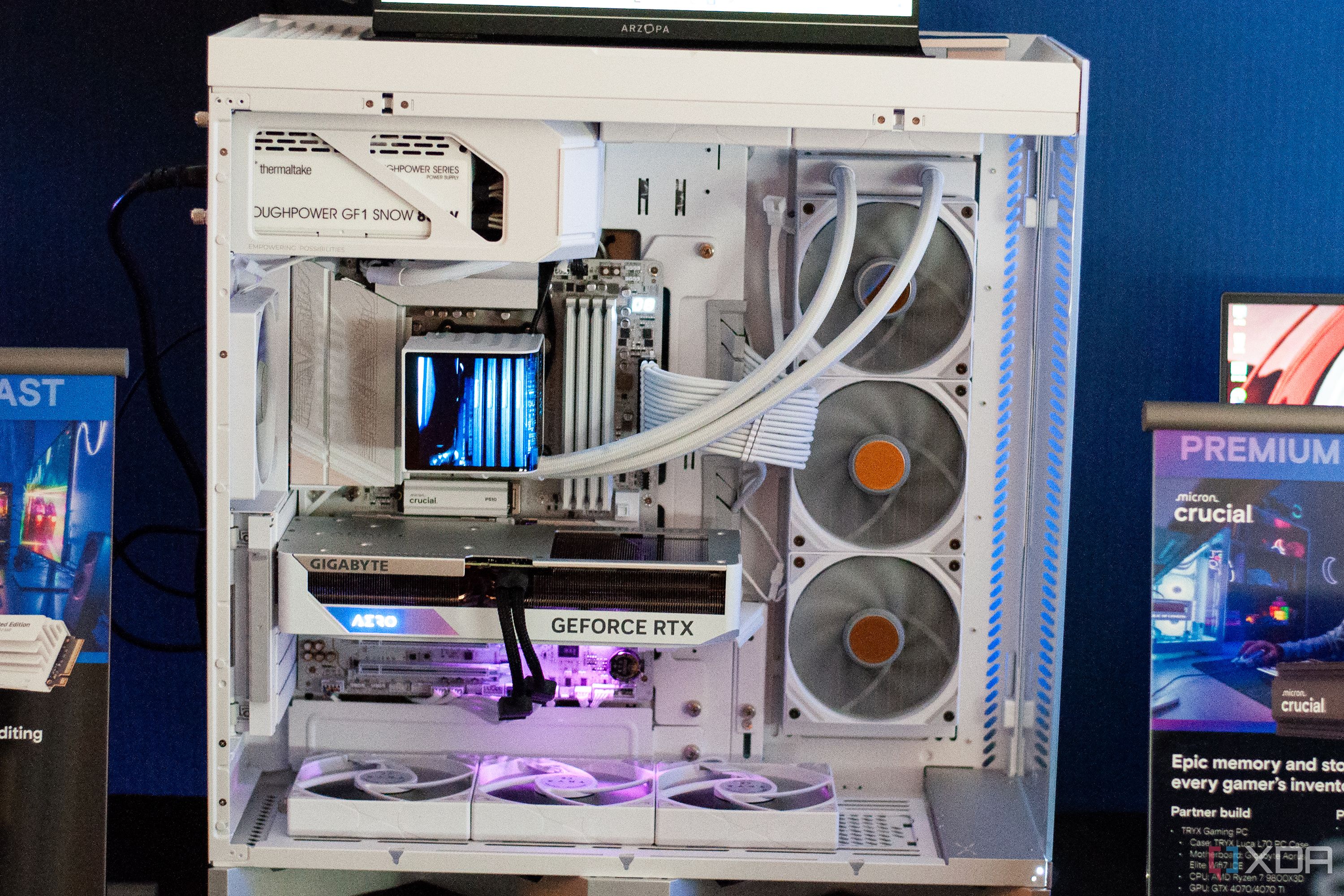
Crucial P510 w/ heatsink installed in a PC build
Gen 5 adoption is still pretty low, so you may not know that it’s been almost a year and a half since the first PCIe Gen 5.0 NVMe SSDs started hitting the market. We’ve been reviewing them since the fall of 2023, and, like many others, we found them to be a poor value compared to top-of-the-line PCIe 4.0 drives, with heat also being a major factor. Even drives from leaders in the space like Crucial’s T700 presented heat-issues that left us skeptical of consumer adoption.
Nobody building a workstation or gaming PC is fond of a giant heatsink attached to their M.2. It’s cumbersome and inconvenient, and frankly, it’s ugly. Hesitation to adoption has been driven somewhat by concerns over cooling, and this year’s Gen 5 drives hope to address just that.
For starters, Crucial’s P510 runs at 25% lower power than the T700, though Micron was adamant in pointing out that not only was there an overall power reduction but also a jump in efficiency in how the chips actually distribute that power. All of this should lead to a greater than 25% improvement in thermal performance on the P510. Micron feels confident that consumers working or gaming in warmer climates shouldn’t have to be overly concerned with the temperatures of their SSDs.
3
Future-proofed for gaming
Next-gen games are being designed with faster storage in mind
2
To simply leave it at “future-proofing” and a hand-wave wouldn’t sufficiently explain why PCIe 5.0 is an important part of the future of game development. Among the most exciting developments leveraging what Gen 5 drives have to offer is a Windows API by the name of DirectStorage.

Related
5 things you need to know about DirectStorage on Windows 11
DirectStorage aims to transform gaming performance on Windows 11, but how do things stand right now?
In simple terms, DirectStorage speeds up game loading times by using NVMe SSDs to shift data decompression tasks from the CPU to the GPU. While DirectStorage is compatible with PCIe 4.0, developers hope that the blazing high speeds of PCIe 5.0 drives will reduce bottlenecks and maximize the efficiency of its implementation.
While squeezing all the juice out of the DirectStorage lemon might take a few years, the typical upgrade cycle on drives is long enough that you might consider getting ready this year. The assets within most AAA titles today are performing just fine at PCIe 4.0 speeds, but 2025’s newest releases might be able to further leverage the technology as games get more expansive and file sizes reach the stratosphere.

Source: OBSBOT
This is all about how we think of storage speeds affecting existing games, but further adoption of Gen 5 drives means game developers can start factoring in those speeds when designing the games we all love to play. Have you ever noticed an in-game moment that seems long, boring, or slow, with little to look at or do? Moments where you might be climbing a really long ladder in a narrow space or scaling a ledge with little to no scenery are often designed to allow time for assets to load in the next part of your game.
These are the subtler, modern versions of loading screens, and Gen 5 speeds could alleviate the need for game designers to slow down while your world is loading. However, they won’t fully embrace this until they know most systems can handle it, and for that to be the case, adoption must occur.
All that is to say, technologies like DirectStorage, together with Gen 5 speeds, are already enabling developers to design larger, more detailed worlds, with faster loading times.

Related
6 Steam games rated “Overwhelmingly Positive” that no one talks about
Some games just deserve to be more popular.
1
Enhanced productivity
A game-changer for creatives and heavy workloads
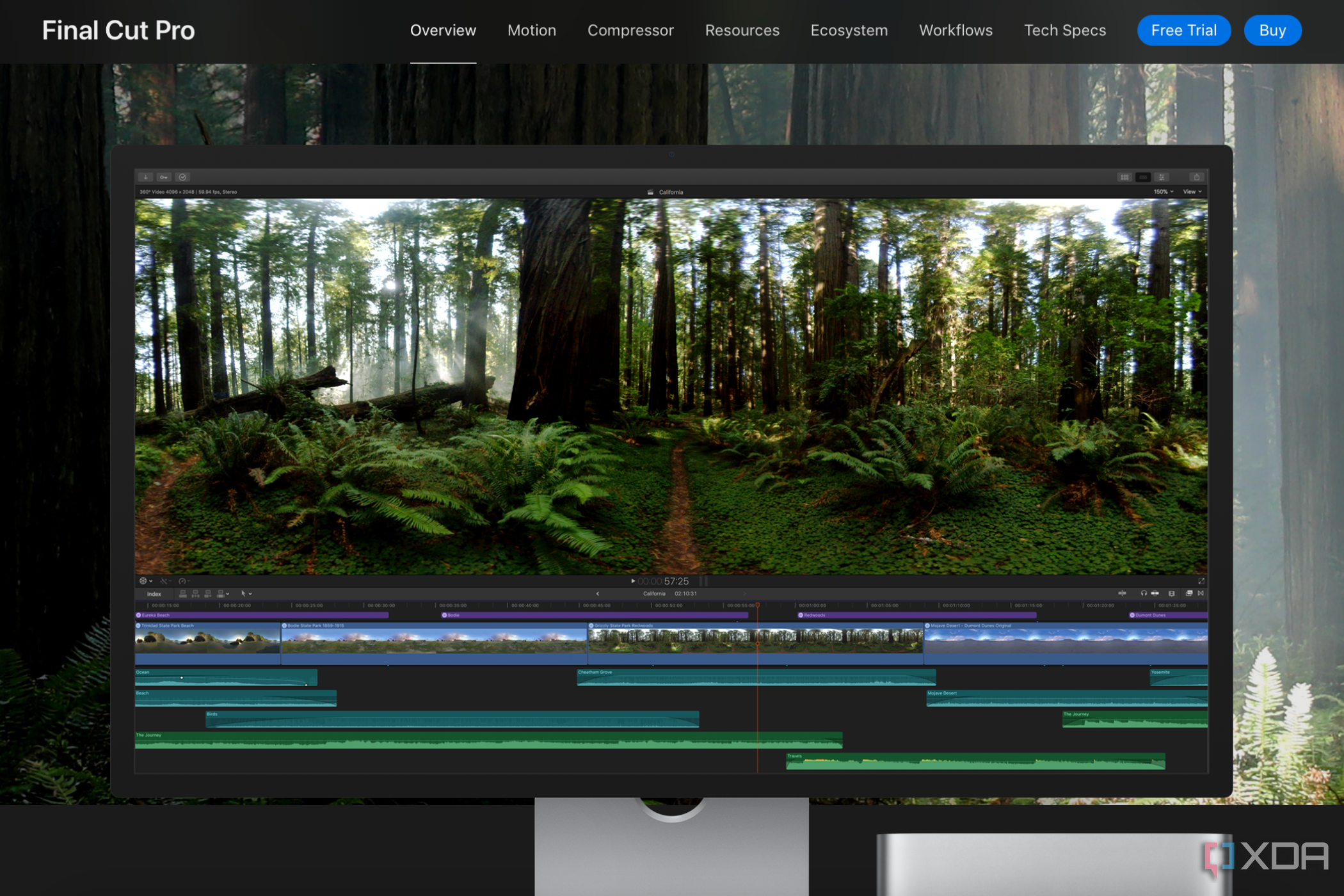
Among the most ideal applications for Gen 5 speeds are data-intensive tasks requiring consistent reading and writing of large files. Video editors who work with massive 4K files, engineers designing and working with tools like AutoCAD, or animators creating large renderings in applications like Blender or Unreal Engine all rely on workflows that could greatly leverage the read and write speeds of Gen 5 drives. All of these tasks require assets that can easily reach 100GB (or more) in size, which PCIe 5.0 can move around with ease.

Related
5 best student discounts on software
These are the 5 best student discounts on powerful engineering and creative applications.
My wife is a Civil Engineer, and she constantly works in AutoCAD 3D plotting and grading massive files. While some people might not care whether a 100GB file takes five seconds or one minute to move, professionals who are doing this near constantly day in and day out would benefit greatly from Gen 5 speeds, and now that we’re seeing more laptop friendly releases like the P510, professionals like my wife might consider upgrading their mobile workstations this year.
The higher bandwidth of PCIe 5.0 is also helpful in multitasking and is capable of achieving smooth performance while running many demanding tasks at once. This would be a great fit for users running virtual machines, as basically running two distinct computers using the hardware of one system can be extremely demanding.
Adoptions of next-gen tech happens slowly, then all at once
PCIe 5.0 was first introduced in 2019, and Gen 5 NVMe SSDs began hitting the market in the fall of 2023. I’m bullish on 2025 being the year we finally see adoption of Gen 5 leap forward, thanks to more affordable drives, improved cooling allowing wider applications across smaller laptops and PC builds, and simply more consumer-friendly iterations on PCIe 5.0 SSDs.
#reasons #finally #worth #PCIe #SSD
source: https://www.xda-developers.com/reasons-to-buy-gen-5-ssd-2025/


