

Quick Links
Apple’s iPhone 14 lineup includes four different phones. Since the launch of the 14 series, Apple has been following this same type of lineup, as is evident with the iPhone 16 series. You get to pick between the regular and the Pro models, both of which are available in two different screen sizes. The regular iPhone 14 and the 14 Pro models were the first to enter the market at launch, whereas the iPhone 14 Plus model arrived shortly after.
The iPhone 14 models certainly aren’t the best iPhones these days, as they’re not as feature-packed or powerful as the newer iPhone 16 models. However, they are still great phones that are available to purchase from various retailers in the U.S. If you are looking to buy one of the previous gen iPhones but don’t know which one to pick, then here’s a quick look at the key differences between the regular, Plus, Pro, and Max versions.
Summary of differences
Apple’s iPhone 14 lineup has four models — iPhone 14, iPhone 14 Plus, iPhone 14 Pro, and the iPhone 14 Pro Max. The iPhone 14 Plus entered the market in place of the “Mini” version last year (in the opposite larger direction, of course), while the rest of the three iPhones were essentially just upgraded models of what we already had on the market. Even out of those three phones, only the “Pro” models brought big and meaningful upgrades to the prior year’s iPhone 13 Pro models.

The iPhone 14 and the iPhone 14 Plus are essentially the same phones in two different sizes. Similarly, the iPhone 14 Pro and the iPhone 14 Pro Max are both cut from the same cloth, except one is bigger than the other. There’s not a lot of tangible difference (other than size) when you go from an iPhone 14 to an iPhone 14 Plus or from an iPhone 14 Pro to an iPhone 14 Pro Max.
However, going from an iPhone 14 to an iPhone 14 Pro is a significant leap forward, both in terms of features and price. Similarly, going from an iPhone 14 Plus to an iPhone 14 Pro Max will be a big leap in terms of experience, even though they almost have the same physical dimensions overall.
Difference between the regular and Pro series of iPhone 14:
- Newer chip on the Pro
- Different build materials for chassis: aluminum on the regular vs stainless steel on the Pro
- Higher 120Hz refresh rate on Pro
- Higher outdoor peak brightness on Pro
- Always On Display on Pro
- New notch design and related software functions on Pro
- Higher storage options on Pro
- Higher MP count on the primary camera on Pro
- An additional third camera on Pro, handling telephoto
- Night Portraits, ProRaw, and Macro are Pro-exclusive camera features
- LiDAR Scanner on Pro
Differences between regular iPhone 14 and 14 Plus, and iPhone 14 Pro and 14 Pro Max
- Size difference for display and overall chassis: Plus and Pro Max are bigger
- Battery size difference: Plus and Pro Max models have bigger batteries and will last longer, but will also take longer to charge
Pricing and availability
|
Name |
Starting price |
|---|---|
|
Apple iPhone 14 |
$799 |
|
Apple iPhone 14 Plus |
$899 |
|
Apple iPhone 14 Pro |
$999 |
|
Apple iPhone 14 Pro Max |
$1,099 |
The standard iPhone 14 launched at $799 in the US, whereas the iPhone 14 Plus carried at $899. As for the Pro models, they had a starting price of $999 for the smaller variant and $1,099 for the bigger “Max” variant. It’s important to note here that while Apple is still selling the iPhone 14 models on their website and through other retailers, the same isn’t true for the 14 Pro models (Pro and Pro Max). The 14 Pro line is discontinued, meaning you can no longer buy them new, only certified refurbished or renewed, either directly from Apple or through official retail channels.
-
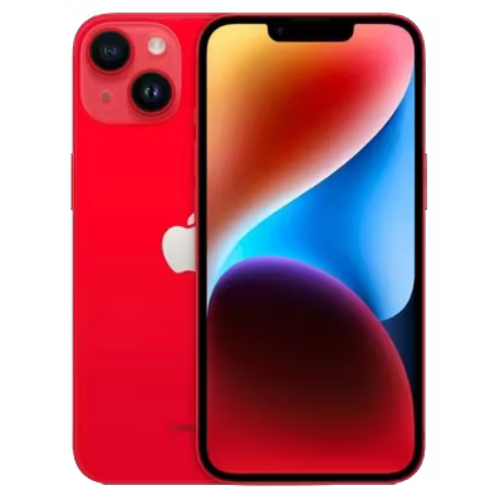
Apple iPhone 14
The iPhone 14 is the base model of the 2022 iPhone series, offering a balanced set of features for the average user, including a 6.1-inch notched display.
-
Apple iPhone 14 Plus
$680 $730 Save $50
2022’s iPhone 14 Plus comes with a large 6.7-inch screen, the A15 Bionic chip, and a dual camera system. It’s available in multiple colors to pick from.

-
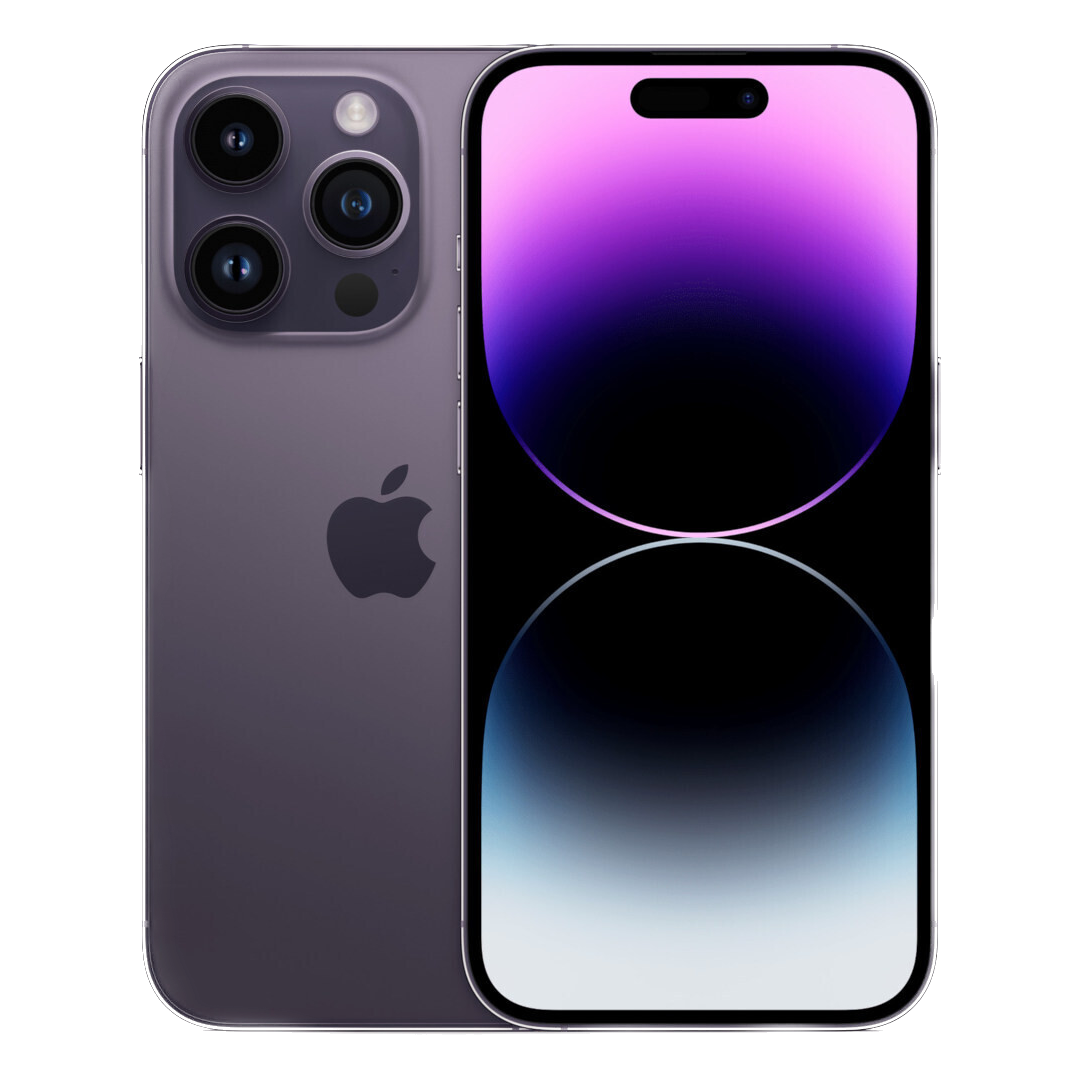
Apple iPhone 14 Pro
The iPhone 14 Pro remains a solid pick for those who are looking for a solid iPhone experience without paying the full price for the newer models.
-
Apple iPhone 14 Pro Max
The iPhone 14 Pro Max is Apple’s biggest and best 2022 smartphone. In typical Apple fashion, it is both a powerhouse and an endurance beast, offering the A16 Bionic chip, a 6.7-inch display, and the Dynamic Island.

Specifications
Here’s how each model in the iPhone 14 series stacks up against one another on paper:
Regular vs. the “Pro” iPhones
Looking at the specs sheet, it’s safe to say that the non-Pro iPhone 14 and the iPhone 14 Plus are pretty much identical except for the display size and the battery capacity. That’s also true in the case of the iPhone 14 Pro and the iPhone 14 Pro Max. And now that we’ve established that, it’s time to highlight how the Pro variants push the envelope with their upgrades over the regular iPhone 14 and the iPhone 14 Plus.
Notch vs. Dynamic Island
- All iPhones have a Super Retina XDR display with support for HDR
- The regular iPhone 14 and the iPhone 14 Plus still have a notch on the display, while the Pro models have moved on with the new Dynamic Island
- Also, you don’t get the Always-On display feature on the regular iPhone 14 and the iPhone 14 Plus
The iPhone 14 Pro and the iPhone 14 Pro Max have a pill-shaped cutout instead of a notch on top of the display. This is a big change for the new iPhones as they’re the first ones, besides the affordable SE models, without a notch since the iPhone X debuted back in 2018. It’s called Dynamic Island, and it moves around and animates to show you different UI elements.

The Dynamic Island is fresh, and it definitely looks better than anything we’ve seen in the Android space. You can learn more about it in our iPhone 14 Pro Max review, in which we go into detail to explain how it works. The Dynamic Island, however, is no longer exclusive to just the Pro models, as the newer iPhone 15 and iPhone 15 Plus models also have it now.

In addition to Dynamic Island, the Pro models are still the only iPhones with support for ProMotion technology with adaptive refresh rates up to 120Hz. The regular iPhone 14 and the iPhone 14 Plus still top out at 60Hz. The regular iPhone models also lack the Always-On display. This is said to be enabled by A16 Bionic’s display engine, which is also responsible for insanely high brightness support of up to 2,000 nits on the iPhone 14 Pro and the iPhone 14 Pro Max. The cheaper iPhone 14 models are still powered by the older A15 Bionic chipset, meaning they don’t support the Always-On feature, and they top out at 1,200 nits of peak brightness.
A15 Bionic vs. A16 Bionic
- The Pro models are powered by Apple’s A16 Bionic chip, while the non-Pro ones are using the previous-gen A15 Bionic
- The non-Pro iPhone 14 models top out at 512GB storage, whereas the Pro variants can go up to 1TB
- All the iPhone 14 models are fast-charge capable with a 20W charger adapter or higher, and they all support MagSafe and Qi wireless charging too
As expected, only the Pro models have seen a spec bump this generation, meaning you’ll have to spend more money to get the best Apple Silicon. The company’s A16 Bionic brings a lot of meaningful upgrades to the table, but it’s limited to the iPhone 14 Pro and the iPhone 14 Pro Max. The standard iPhone 14 and the iPhone 14 Plus, on the other hand, will use the previous-gen A15 Bionic. It’s still an upgrade from the iPhone 13 because newer models use the A15 Bionic with a 5-core GPU instead of the 4-core SKU.

Apple’s A16 Bionic may not bring any significant upgrades to the overall performance, but it easily goes head-to-head with the best of what Android has to offer. It also adds things like the display engine for a significantly better experience. Not to mention, it’s also significantly more power-efficient, so you can expect to see better battery life on the Pro models.
Another obvious difference is on the storage front. The non-Pro iPhones start at 128GB and top out at 512GB storage for the top-of-the-line variant, whereas the iPhone 14 Pro models can be purchased with up to 1TB of storage. Do keep in mind that you’ll have to pick up at least the 256GB variant of the Pro variants to take advantage of features like ProRes video recording at 4K-30fps.
According to the regulatory database, Apple’s iPhone 14 and iPhone 14 Plus pack 3,279mAh and 4,325mAh batteries. The iPhone 14 Pro and the iPhone 14 Pro Max, on the other hand, come with 3,095mAh and 4,323mAh, respectively. It’s safe to say that both the bigger iPhones will have significantly better battery life than the smaller ones.
Pro camera vs. advanced dual-camera system
- Only the Pro variants have received camera upgrades this generation – the standard iPhone 14 models still use the same dual-camera system as iPhone 13
- All the iPhone 14 models benefit from features like Photonic Engine and Action Mode, but only the Pro models get a 48MP wide sensor
It is safe to say that the Pro models have received all the camera upgrades, as the standard iPhone 14 and the iPhone 14 Plus use the same dual-camera system as the regular iPhone 13. The cameras are one of the biggest draws for the Pro models, so you’ll have to decide whether you want the absolute best of what Apple has to offer or stick with a basic yet reliable camera system.

For the first time, the iPhone is moving away from a 12MP sensor to a 48MP one. This is a big leap for “professional” users who take photography and videography rather seriously. You can expect to see some major improvements in low-light photography thanks to the new photonic engine. You can also expect to see some minor improvements in the shots captured using the ultra-wide and telephoto lens compared to the iPhone 13 Pro models. The real show-stopper, however, is the 48MP sensor, which is exclusive to the 14 Pro models.
Apple iPhone 14 Pro Max camera samples:
The non-Pro iPhones also benefit from the new Photonic Engine, but they continue to have a dual-camera setup with 12MP main and ultra-wide sensors. We weren’t able to capture the same set of photos from both iPhones for a side-by-side comparison, but here’s how the photos coming out of the iPhone 14 look.
Apple iPhone 14 camera samples:
We highly suggest you read our full reviews of the iPhone 14 and the iPhone 14 Pro Max (linked earlier in this article) to learn more about their respective camera systems and find more samples.
On the video front, you’ll have to once again pick up the Pro models for ProRes and Macro video recording. The Pro models also support 3x optical zoom-in, something which is missing on the standard iPhones. All the iPhone 14 models have a 12MP selfie shooter on the front, but once again, only the Pro iPhones support ProRes video recording using the selfie camera, not the regular ones.
Besides the obvious size differences, it’s very easy to say that the Pro models bring significantly better features to the table compared to the standard iPhone 14 units. Not only do you get a unique camera cutout on the display, but you also get a better screen overall with support for a higher refresh rate and higher peak brightness. You also get a better chipset inside the Pro models instead of just a storage bump on the top end. Lastly, the biggest difference between the Pro and the regular iPhone 14 models has to be the camera. The Pro gives you a new 48MP wide sensor which is said to be up to 65 percent larger.

If you care about these advanced “Pro” features, then it might be worth spending more money to get the Pro models. But if you’re not chasing cutting-edge technology and just want an iPhone that can last you for a few years, then you’ll find plenty of value in the regular iPhone 14 and 14 Plus too, especially now that you can get them at a pretty deep discount. The differences between the smaller and the “Plus” or “Max” variants, as we mentioned earlier, are only limited to the screen and the battery size. You don’t get a SIM card tray on any iPhone 14 model in the US, so keep that in mind. It essentially comes down to a personal preference, so we’ll leave it up to you to decide which size works best for you.
The iPhone 14 series still holds up well
For the past couple of years, the latest and greatest iPhone has felt more like an iterative upgrade over the previous one. If you care about better cameras, AI features, and performance, then the iPhone 16 series does make sense for long-term use. However, there is a lot of value to be found in the 14 series, and they do just about everything you’d want from a smartphone (and do it well). This goes to show that there’s nothing wrong with buying older tech, as long as you get a good deal.
#Apples #iPhone #series #explained #Whats #difference #regular #Pro #Max #versions
source: https://www.xda-developers.com/apple-iphone-14-series-explained/


