

Summary: Illinois State University (ISU) has initiated a groundbreaking step towards the ethical use of Artificial Intelligence (AI) by assembling a dedicated committee to guide responsible AI practices within the academic environment. This committee aims not only to tackle challenges but also to leverage AI’s advantages across the university’s diverse departments, ensuring its benefit to the entire campus community.
As AI continues to weave itself into the fabric of academic life at Illinois State University (ISU), the institution has put forth a visionary plan to ensure its ethical application. To this end, a newly formed Committee on the Responsible Use of Artificial Intelligence has met to outline a strategic framework for AI’s principled employment.
Consisting of faculty, support staff, and students, this diverse 30-member body convened in Stevenson Hall, assigning leadership roles to Charles Edamala, the University’s Chief Technology Officer, and Dr. J. Cooper Cutting, the Assistant Vice President for Academic Planning. Their joint mission is to craft a clear statement that will delineate the university’s position on AI’s ethical use.
Conversations within the committee stressed the complexity of AI issues and resisted simplifying the discourse to one-liner answers. Instead, members agreed on the necessity for thoughtful, in-depth discussions that address the multifaceted nature of AI.
President Aondover Tarhule set an ambitious and optimistic tone during his opening remarks, envisioning the University as a pioneering force in balancing AI’s potential benefits and risks, and as a keystone in molding its trajectory at ISU.
The diverse make-up of the committee, which extends beyond IT experts to include 200 interested students, underscores the university’s commitment to a multi-disciplinary approach. Dr. Dmitry Zhdanov, an authority in cybersecurity, shared insights on AI’s future, emphasizing the importance of fairness, transparency, and accountability, and highlighting the human element in the technology’s use.
Acting Vice President for Academic Affairs and Provost, Dr. Ani Yazedjian, expanded on the discourse by pointing out the myriad possibilities AI brings to the higher education landscape, beyond just plagiarism detection. By developing a comprehensive guide to AI applications across university sectors, ISU aims to enhance its operational, research, and educational endeavors.
The committee plans to convene monthly, splitting into four subcommittees focusing on research, operations and implementation, teaching, and policy governance. Each group will contribute to forming a path that ensures AI’s beneficial integration within the university’s systems.
Advancements in Artificial Intelligence at Illinois State University are being approached with a commendable emphasis on ethical considerations. As AI technology becomes increasingly influential in many sectors, including academia, the need for a well-rounded, responsible approach is crucial. The Committee on the Responsible Use of Artificial Intelligence at ISU is a pioneering example of this mindset, recognizing the intricate challenges that come with employing AI technology.
The AI industry is rapidly growing, and market forecasts predict significant expansion in the coming years. According to various industry analyses, the global AI market size is projected to reach billions of dollars, with an impressive compound annual growth rate. Increased investment in AI research, development of more sophisticated algorithms, and wider adoption across different sectors fuel this growth. Industries from healthcare to finance, and now academia, are finding AI technologies indispensable for innovation and competitiveness.
However, the swift expansion of AI comes with its set of issues and concerns. These typically revolve around ethics, privacy, transparency, job displacement, and the societal impact of automation and decision-making processes. Balancing the benefits of AI while addressing potential risks requires comprehensive governance frameworks, which is where initiatives like ISU’s committee become instrumental.
For those seeking further information on the broader context of AI’s impact on various sectors, one might visit the official websites of relevant industry associations or research organizations, such as the AI Global, an initiative dedicated to ethical AI practices, or the Association for the Advancement of Artificial Intelligence which promotes research in artificial intelligence and scientific exchange among AI researchers, practitioners, scientists, and engineers.
In academia, AI has the potential to revolutionize everything from administrative processes and personalized learning to cutting-edge research. ISU’s forward-thinking approach means capturing these benefits while conscientiously addressing the human and ethical dimensions of technology integration. As the discussion of AI continues to evolve, ISU’s Committee on the Responsible Use of Artificial Intelligence could serve as a blueprint for other academic institutions, encouraging the additional steps needed to shape a future where AI improves human endeavors without compromising ethical values or societal welfare.
By dedicating subcommittees to specific domains such as research, operations, teaching, and policy governance, ISU is setting the stage for comprehensive policies that will not only govern the use of AI on their campus but potentially influence the trajectory of AI ethics in higher education at large.
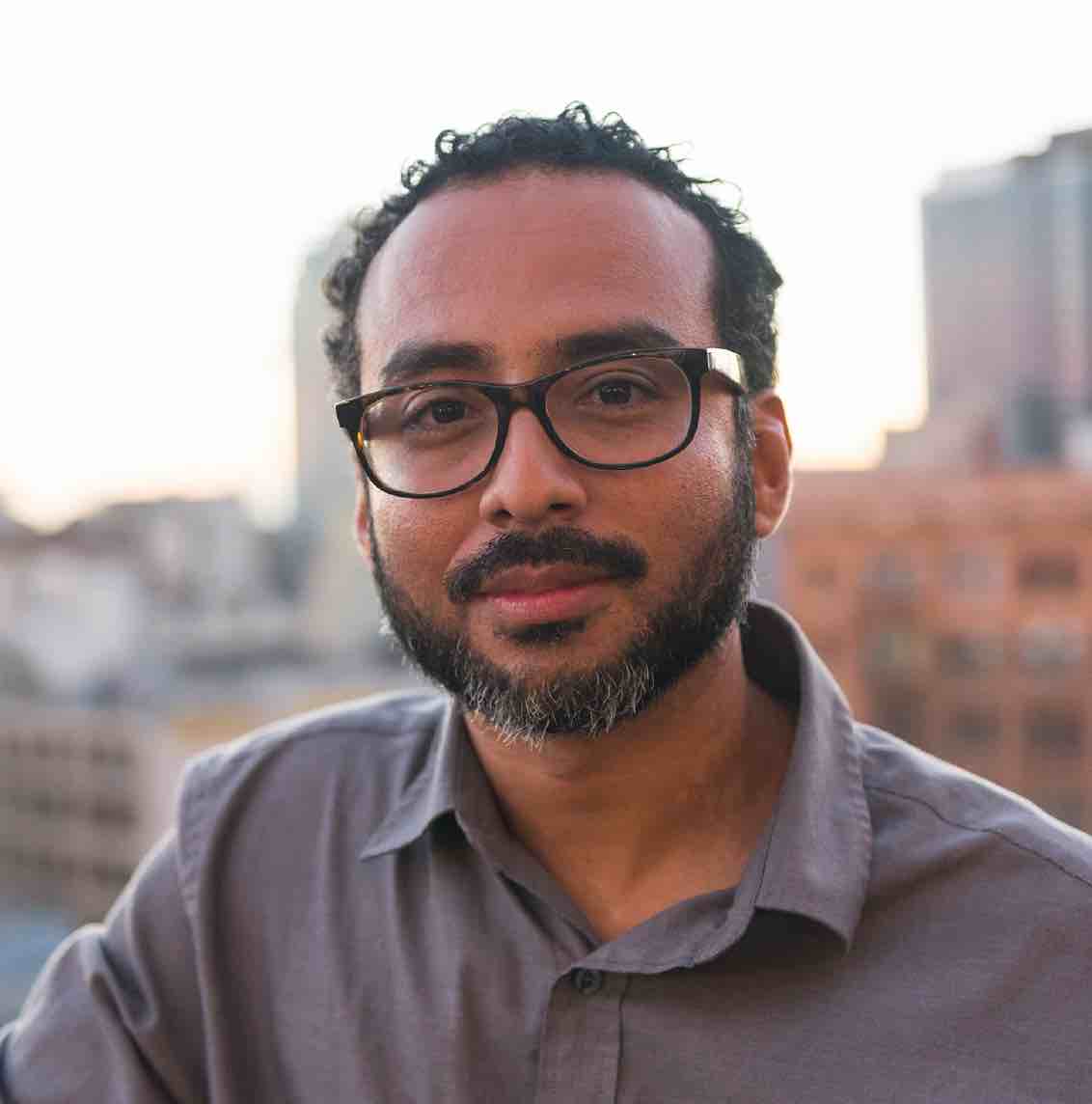
Igor Nowacki is a fictional author known for his imaginative insights into futuristic technology and speculative science. His writings often explore the boundaries of reality, blending fact with fantasy to envision groundbreaking inventions. Nowacki’s work is celebrated for its creativity and ability to inspire readers to think beyond the limits of current technology, imagining a world where the impossible becomes possible. His articles are a blend of science fiction and visionary tech predictions.
#Illinois #State #University #Establishes #Ethics #Committee
source: https://ytech.news/en/illinois-state-university-establishes-ai-ethics-committee/


